
Film type: dyed films use simpler materials than ceramic and multilayer films, so premium films cost more because they reject more heat and block more UV for longer.
Window Tinting Cost in Houston
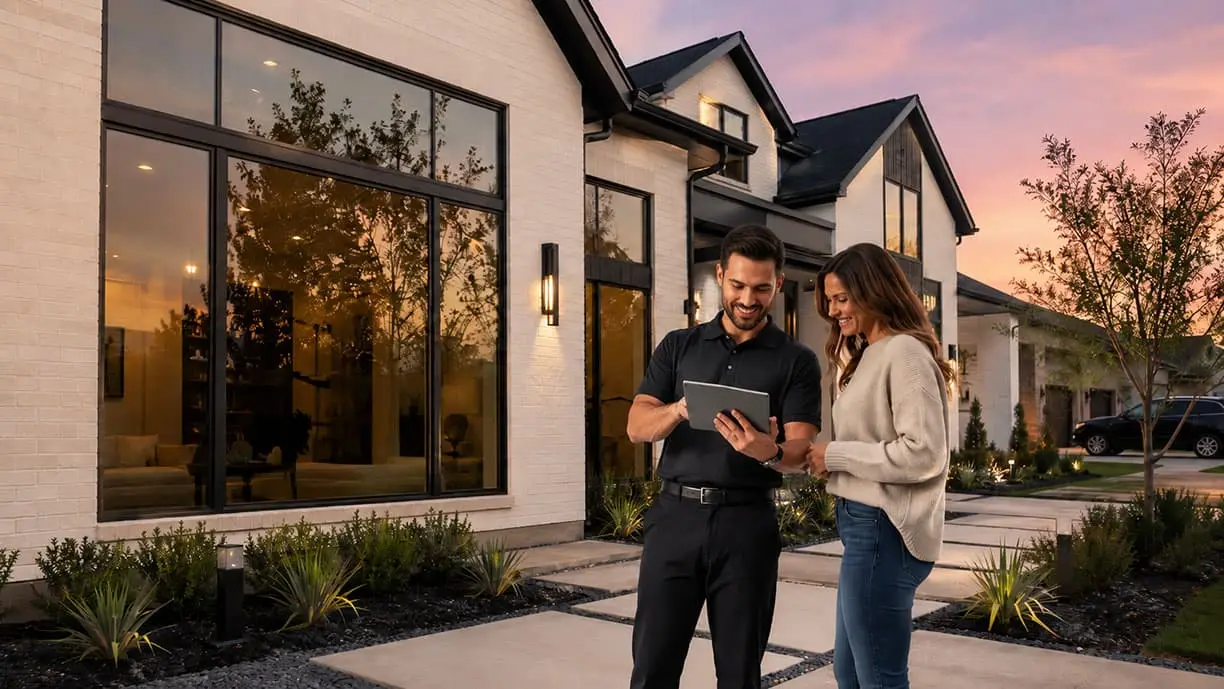
Window tinting cost in Houston runs about $6 to $15 per square foot of glass for a home and about $6 to $18 per square foot for a commercial building, installed. Those are guidance ranges, not quotes, because the film you choose and the glass you have set where inside the range your own job lands.
The right film cuts heat, blocks UV, softens glare, and adds privacy, so the price you pay buys year-round comfort on glass you already own. This page explains what shapes the price for homes and businesses, how to apply the range to your own windows, how a real quote gets built, and why an on-site measurement gives you a number you can trust.
Greenhouse Solar Control prices each job after seeing your actual glass, so the figure you receive matches your windows in Houston, TX and Katy, TX. Call (281) 961-3058 or get a free estimate to turn these cost factors into your number.
What are Houston's window-tinting planning ranges?
Window film is priced by the area of glass it covers, so square footage is the unit that makes two different buildings comparable. These are the ranges Greenhouse Solar Control works within across Houston, TX and Katy, TX.
| What is being priced | Guidance range, installed | What moves you inside the range |
|---|---|---|
| Residential glass, per square foot | $6 to $15 | Film grade, pane size, access, glass construction |
| Commercial glass, per square foot | $6 to $18 | The same four factors, plus building height, lift access, and work scheduled outside business hours |
How to read the ranges
Both ranges include the film and professional installation. Neither is a quote. A range this wide is honest rather than evasive: the low end is an entry-level film on accessible ground-floor glass, and the high end is a premium ceramic or security film on large, tall, or awkward panes.
Commercial projects can involve additional equipment or phased work. Houses can also have difficult access, so height and access requirements are assessed on site for either property type.
Applying the range to your windows
To apply the range to your own windows, measure each pane in feet, width times height, and add the panes together. A pane three feet wide and five feet tall is fifteen square feet of glass. Total your openings the same way and multiply by the range above, and you have a budgeting figure before anyone visits.
The on-site measurement turns that range into one number: a technician confirms the true glass area, the film each room needs, and the access each opening takes, then itemizes it on a written quote at no charge.
What drives residential film pricing?
Residential window tinting is usually priced two ways: per window, or by the square foot of glass covered. Homes with smaller windows and a low window count sit at the lower end of the range, while large panes, tall stairwell glass, and a house full of openings push the total higher.
Film grade and pricing basis
Film grade drives the biggest swing in that number, and it is what separates the two ends of the $6 to $15 residential range. Entry-level dyed film sits near the bottom of that range.
Specialty products can cost more, but category names do not establish a fixed price or performance ranking. Compare the named film, glass compatibility, appearance, and complete installation scope before approving a quote.
Per-window pricing suits homes with a handful of standout windows; a square-foot basis fits houses with many large panes.
What the estimate covers
The estimate itself is straightforward. A technician measures each opening, notes sun exposure and glass type, and matches films to the rooms that need them most. West- and south-facing rooms usually justify a higher-grade film, while shaded north windows can take a lighter option, so you spend where the heat actually builds.
Compare film options on the residential window tinting page, then book a free estimate for your exact rooms.
How does commercial film pricing differ?
Commercial glass works within about $6 to $18 per square foot installed, and the access premium described above is what lifts that ceiling above the residential one. Reaching upper-floor glass takes lift equipment and crew time that a ladder does not, and on a building that time attaches to every square foot of the elevation.
Everything that follows from it, including the arithmetic worked on real glass areas, what height and access add, and what an itemized commercial bid contains, sits on our commercial window tinting cost page. Scope and film grades for buildings sit on the commercial window tinting hub, built for property managers across Houston, TX and Katy, TX.
Which requirements affect a window-film quote?
Across homes and businesses, four factors drive almost every window tinting quote. They are also the answer to the obvious question about the ranges above: these four are what decide whether your job prices near the bottom of the range or near the top. Each one is measured on-site and then itemized on your written quote, so you can see what every line adds.
Window count and size: more windows and larger panes scale labor and material directly, so the total rises with every added opening.
Access and height: ground-floor windows are fast to cover, while high, fixed, or hard-to-reach glass costs more because it needs ladders, lifts, or scheduling.
Glass type: some dual-pane and low-e units require specific films, because the wrong film can trap heat and stress the sealed unit.
Two homes can receive different quotes because their treated glass, film, and access requirements differ. Total floor area alone does not describe a window-film project. The written estimate identifies the relevant work before installation begins.
When should you compare tinting with replacement glass?
With the cost drivers clear, many homeowners weigh tinting the existing glass against paying for new glass. Which one costs less? Tinting almost always costs a fraction of replacing the windows, because it upgrades the glass you already own instead of removing and rebuilding the frame.
Professional installation of window film also finishes fast, often in a single visit, while replacing the windows is a larger construction project that runs far longer and disturbs the whole room.
When new glass earns its cost
New glass earns its cost when a pane is cracked, fogged, or seal-failed, since film cannot repair broken glass. For heat reduction, UV protection, and glare control on sound windows, window film delivers most of the comfort at a far lower price, which is why many owners tint first and keep their existing frames.
Tinting also keeps the look and daily operation of your current windows, and avoids the permits, framing, and cleanup that new glass brings. Because the right answer depends on your glass condition and goals, a free estimate is the honest way to compare both paths on your own windows.
What turns a planning range into a final price?
The site visit turns a planning range into a project quote. Residential guidance is $6–$15 per square foot, and commercial guidance is $6–$18. Greenhouse Solar Control confirms glass, film, access, and requirements during the free visit; there is no minimum job charge.
For the wider service context, see architectural window tinting.
01 · Before you decide
Provide approximate dimensions for early planning, but use the installer's measured scope for approval. Height and difficult access are assessed on site rather than assigned a blanket online charge.
02 · Details to compare
For this decision, compare area, film grade, access, quote scope. Bring the relevant details to the assessment so the recommendation addresses your actual property.
03 · The next useful step
Continue with our guide to free on-site estimate request. It addresses a related part of the decision so you can check the scope before approving work.
What do Houston-area customers say?
Customers describe their experience with our communication, scheduling, and installation. These individual comments also appear on our reviews page.
★ ★ ★ ★ ★
“Greenhouse was great, I love my new system. Yousef was very informative and made the entire process easy. Highly recommend!”
★ ★ ★ ★ ★
“Nice guys, good job placing tint on our office windows & doors. Would recommend for anyone looking for tint!”
★ ★ ★ ★ ★
“They showed up exactly when they said they would and the work is phenomenal. They were able to match existing tint.”
★ ★ ★ ★ ★
“Communicative and efficient. A friend recommended them and I finally decided to reach out for tinting my patio window. I wish I would have done it sooner.”
Frequently Asked Questions
These are the questions Houston homeowners and businesses ask most about window tinting cost.
Residential window tinting runs about $6 to $15 per square foot of glass installed, and commercial window tinting runs about $6 to $18 per square foot. Both are guidance ranges; the measured quote is the number you pay.
Window tinting is priced by film type and by the number and size of windows, measured on-site and itemized on a written quote so nothing is hidden.
Because four things move it: film grade, pane size, access, and glass construction. An entry-level film on reachable ground-floor windows sits at the bottom of the range, and a premium ceramic or security film on large or high glass sits at the top.
Yes, more windows and larger panes add material and labor, though a higher window count can lower the effective rate per window because the crew sets up only once.
Ceramic window film costs more than dyed film because it rejects more heat and blocks more UV while staying clear, so it suits sun-facing rooms and long-term comfort.
Commercial and residential window tinting share the same drivers of film, glass, and access, but commercial bids often add lift equipment and restricted-access labor for upper-floor glass.
Yes, the estimate is free and carries no obligation, so you can compare films and pricing before you decide anything.
Yes, we can give you the per-square-foot range over the phone and help you apply it to your window count, but an accurate number needs an on-site measurement of your actual windows, so the free estimate stays the reliable path. Call (281) 961-3058 to schedule one.
How do you get a final price for your windows?
The ranges on this page will get you to a budget. Your real window tinting cost comes from your own windows, and $6 to $15 per square foot residential or $6 to $18 commercial is the starting frame, not the final figure.
Greenhouse Solar Control measures your glass, recommends the right film for your goals, and hands you an itemized quote at no charge. Professional installation then follows on a schedule that fits your home or business, with clear pricing agreed before any film goes on the glass.
Call (281) 961-3058 or get a free estimate to price residential or commercial window tinting in Houston, TX and Katy, TX.