
Ground-floor home glass
Homeowners often consider security film for entry doors, patio doors, sidelights, and accessible windows. The film helps keep broken pieces together after an accident or impact.
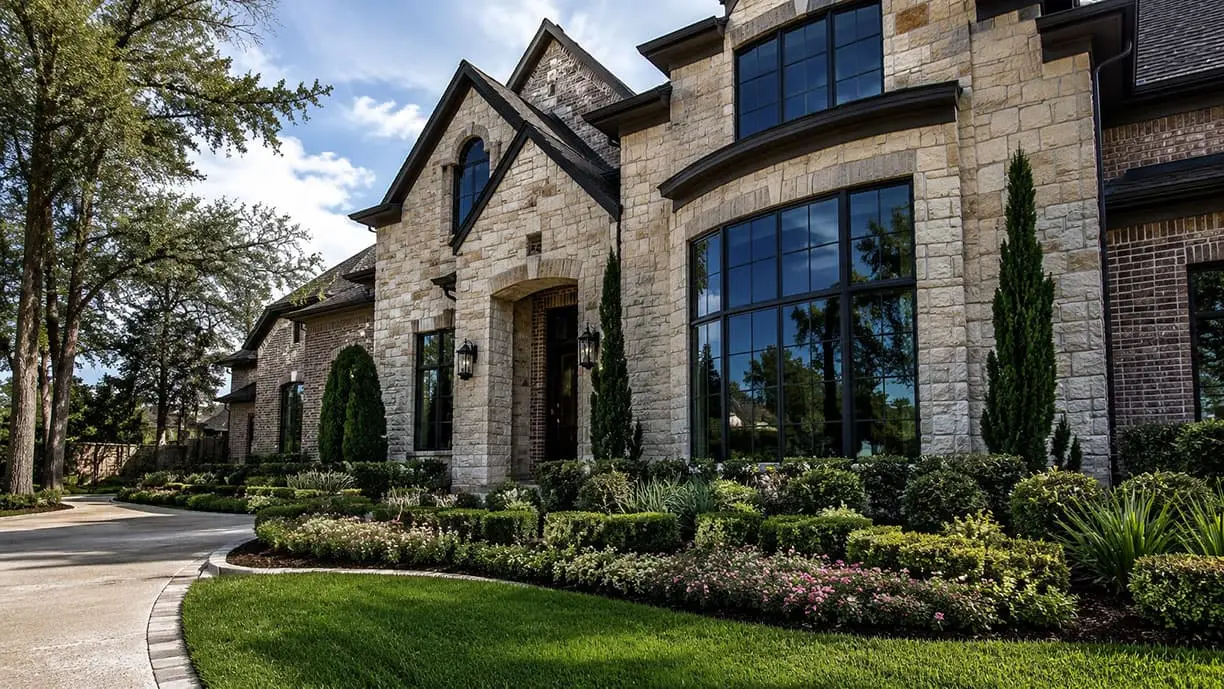
Security window film is a multilayer film that bonds to the interior surface of glass and helps retain fragments after the glass breaks. Greenhouse Solar Control installs security film for Houston-area homes and businesses after checking the glass, frame, access, and project goal.
Security window film helps broken glass remain attached to the film instead of falling away as loose fragments. The retained glass can make an opening harder to clear, but the film does not make the glass unbreakable.
The film uses layers of polyester and adhesive to create a flexible membrane across the pane. The film and the glass then act together after an impact. The frame and attachment method also affect how the filmed glass behaves, so film thickness alone does not define the complete system.
Security film serves a different purpose from ordinary solar-control tint. Solar-control products focus on heat, glare, and ultraviolet exposure. Security products focus on fragment retention and delayed access, although some films can combine more than one function.
Security film is most useful on glass where fragment retention or delayed clearing matters. The property assessment identifies the exposed panes and the role each pane plays.
Homeowners often consider security film for entry doors, patio doors, sidelights, and accessible windows. The film helps keep broken pieces together after an accident or impact.
Businesses use security film on exposed storefront glass, entrance doors, interior partitions, and other panes that could create loose fragments or a rapidly cleared opening.
Facilities may use film as one layer within a broader safety plan. The complete plan can also include frames, locks, access control, alarms, and other building measures.
The installer selects a system after reviewing the glass, frame, exposure, pane size, access, and desired outcome. A product name or film thickness does not replace that inspection.
The existing glass determines which films are compatible. The frame condition and edge clearance also matter because retained glass still transfers force toward the perimeter of the opening.
Accident safety, fragment retention, vandalism, and delayed forced entry are related but distinct goals. Greenhouse Solar Control discusses the priority before recommending a film and any compatible attachment detail.
The quote identifies the selected film, covered panes, access needs, installation work, and warranty terms. The final price follows the free on-site assessment because glass area and installation conditions differ by property.
No. Window film does not make ordinary glass hurricane-rated, and it does not replace impact-rated windows, storm shutters, or a code-compliant opening-protection system.
A security or safety film can help hold fragments together after storm debris breaks the glass. That fragment-retention function can reduce loose shards, but the pane can still break and the complete glass-and-frame assembly can still fail.
Houston property owners who need storm protection should ask which tested opening-protection system applies to the building and local requirements. Greenhouse Solar Control describes window film as a fragment-retention service and does not promise a wind rating, impact rating, code approval, or insurance discount without project-specific documentation.
The crew prepares the glass, applies the selected film to the interior surface, finishes the edges, and explains the curing process. Larger or difficult-access projects may require staged work.
The crew protects the work area, cleans each pane, cuts the film, applies it with an installation solution, and removes excess moisture. The film then cures on the glass.
Residential installations include a limited lifetime workmanship warranty, and commercial installations include a 10-year workmanship warranty. The written estimate provides the terms that apply to the selected film and project.
Choose the assessment by the property and the concern. A home entry window, a shopfront, and storm-related glass retention require different conversations. The film must be evaluated with the glass and frame, and its limitations should be explained before the project proceeds.
For the wider service context, see architectural window tinting.
State the problem without assuming a performance rating. The installer can identify a suitable scope, but film does not replace the rest of a security or storm-preparation plan.
For this decision, compare glass retention, attachment, use case, limitations. Bring the relevant details to the assessment so the recommendation addresses your actual property.
Continue with our guide to storm-related glass-retention film. It addresses a related part of the decision so you can check the scope before approving work.
Customers describe their experience with our communication, scheduling, and installation. These individual comments also appear on our reviews page.
“Greenhouse was great, I love my new system. Yousef was very informative and made the entire process easy. Highly recommend!”
“Nice guys, good job placing tint on our office windows & doors. Would recommend for anyone looking for tint!”
“They showed up exactly when they said they would and the work is phenomenal. They were able to match existing tint.”
“Communicative and efficient. A friend recommended them and I finally decided to reach out for tinting my patio window. I wish I would have done it sooner.”
These answers separate the film's useful role from claims that require a tested complete system.
A free on-site assessment gives Greenhouse Solar Control the measurements and glass information needed to recommend the correct film and provide a final written price.