
Window Tinting vs Window Replacement for Houston Homes
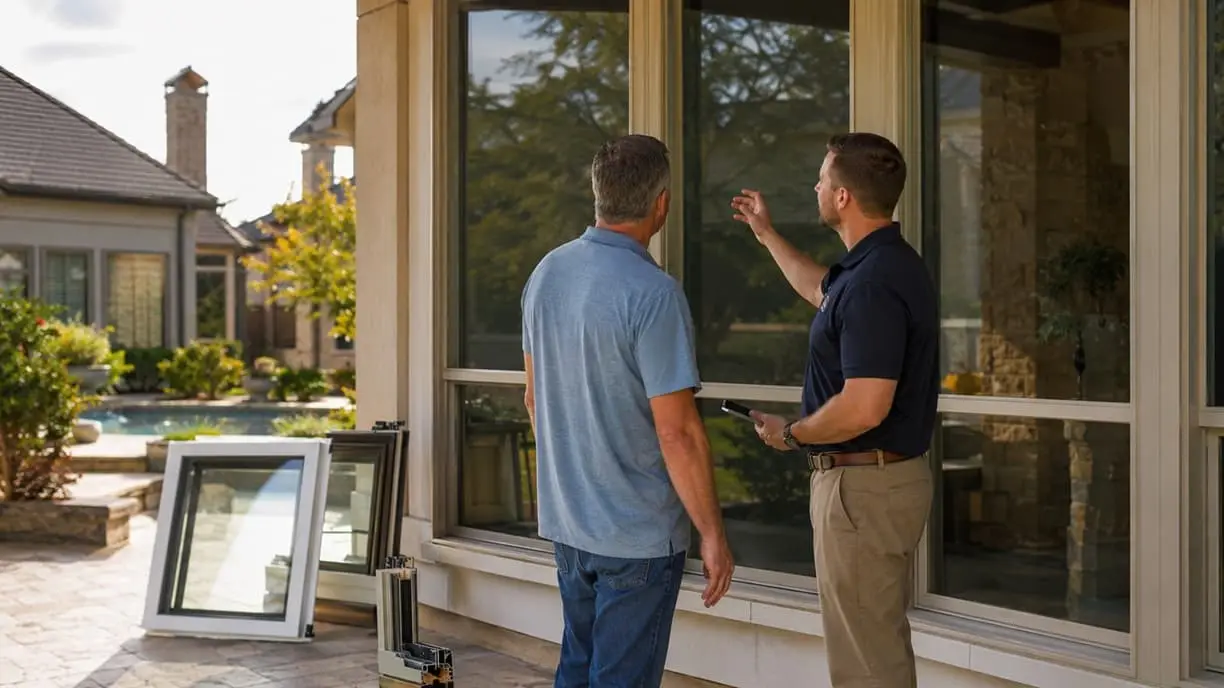
Window tinting and window replacement fix different problems, so the right choice depends on the state of your glass. Window tinting adds a thin window film to the glass you already own to cut heat, glare, and UV, while replacement swaps the entire window for new glass and frames.
For most Houston homeowners whose windows still work, tinting is the faster and lower-cost way to cool a hot, bright room, and that is the honest recommendation this page defends. Greenhouse Solar Control installs residential window tinting across Houston, TX and Katy, TX, and this comparison explains when film is the smart call and when a full replacement earns its higher price.
The table below compares the two options on the factors that decide most projects: cost, heat and UV control, disruption, and payback time.
| Factor | Window tinting (window film) | Window replacement |
|---|---|---|
| Upfront cost | Lower, about $6 to $15 per sq ft of glass | Higher, buys new glass and frames per opening |
| Heat and UV control | Strong on sound glass | Strong, but you buy the whole unit |
| Disruption | Low, usually one visit | High, with framing and cleanup |
| Payback | Faster, smaller spend to recover | Slower, larger spend to recover |
| Best when | Glass is sound but hot or bright | Glass is broken, fogged, or failed |
Window Tinting vs Window Replacement Cost
Window tinting costs less than window replacement because film treats the glass you already own instead of buying and installing a new unit. Replacement pays for a manufactured window, new framing, labor to remove the old unit, and disposal, so its price climbs well above a tint job on the same opening. Tinting skips all of that and applies a film to the existing glass in a single visit.
Per square foot versus per window
The two are not even priced in the same unit, which is worth knowing before you compare two quotes side by side. Film is priced by the area of glass it covers, and residential window tinting in Houston runs about $6 to $15 per square foot installed, depending on the film grade and how reachable the glass is.
Replacement is priced per window unit, because each opening has to cover a manufactured window, new framing, the labor to pull the old one, and disposal. So a tint quote scales with glass area while a replacement quote scales with the number of openings and the construction around each one.
Why the cost gap favors film
That cost gap is the core reason tinting wins for comfort-only problems. When a room is hot or the afternoon sun is blinding but the window itself is sound, replacement spends new-window money to solve a heat issue that film handles for far less. A smaller upfront spend also means a shorter payback, since you recover a tint investment faster than the cost of a full window.
We install film and do not sell replacement windows, so treat the per-square-foot figure above as our number and get the replacement side from a glazing contractor. Your window tinting cost has the full breakdown of what moves that range.
Heat, UV, and Comfort Compared
For heat reduction and UV protection on functional glass, window film is the more efficient upgrade. Quality film rejects a large share of the sun's heat and blocks the ultraviolet rays that fade floors, furniture, and artwork, all without changing the window itself. A new replacement window can improve efficiency too, but you pay for the full unit to gain heat control that film delivers on your current glass.
How film changes a hot room
Comfort is where tinting shows its value fastest in the Houston and Katy climate. Long, hot summers push west- and south-facing rooms to uncomfortable temperatures, and film cuts that solar heat so those rooms hold a steadier temperature.
It also reduces glare on screens and softens harsh light without making a room dark. Because film treats the exact glass causing the problem, it targets a hot room more directly than a whole-window swap.
When Window Replacement Is the Better Call
Window replacement is the better call when the window itself has failed, because no film can fix broken hardware or a compromised frame. Tinting improves working glass; it does not repair a window that no longer does its job. Choose replacement over tinting in these cases:
- The glass is cracked, shattered, or has failed structurally.
- A double-pane seal has failed and the pane looks foggy or collects moisture between the layers.
- The frame is rotted, warped, or no longer closes and seals against air and water.
- The window is single-pane and drafty, and you want the insulation a new unit provides.
In those situations, film sits on a window that is already leaking air, fogged, or damaged, so it cannot deliver its full benefit. Replace the failed unit first. If the new glass still faces hard sun, you can tint it afterward for heat and UV control.
Our Recommendation for Most Houston Homes
For most Houston homes, window tinting is the recommendation when the glass is sound and the complaint is heat, glare, UV, or fading interiors. It solves those problems for less money and less disruption than replacement, and it does the job in about one visit instead of a construction project. That is a clear pick, not an "it depends," whenever your windows still open, close, and seal.
Reserve replacement for windows that have physically failed, then tint the new glass if the sun still bothers the room.
Other goals film can cover
Film also comes in versions built for other goals, so a street-facing room can use privacy window film for daytime privacy, and a business can add security window film to help hold shattered glass together.
Greenhouse Solar Control provides professional installation of residential window tinting and commercial window tinting, and a free on-site estimate is the quickest way to confirm which rooms are the best candidates for film. Call (281) 961-3058 to book that estimate.
Window Tinting vs Window Replacement: Frequently Asked Questions
Get a Free Estimate on Window Tinting in Houston and Katy
Greenhouse Solar Control helps Houston homeowners decide between tinting and replacement and installs the film once tinting is the right call. Our team provides professional installation of residential window tinting across Houston, TX and Katy, TX, with a free on-site estimate to match the right film to each room.
Call (281) 961-3058 for a free estimate, and we will tell you honestly whether film or a new window is the better fix for your glass.