
Ceramic vs Regular Window Tint for Homes
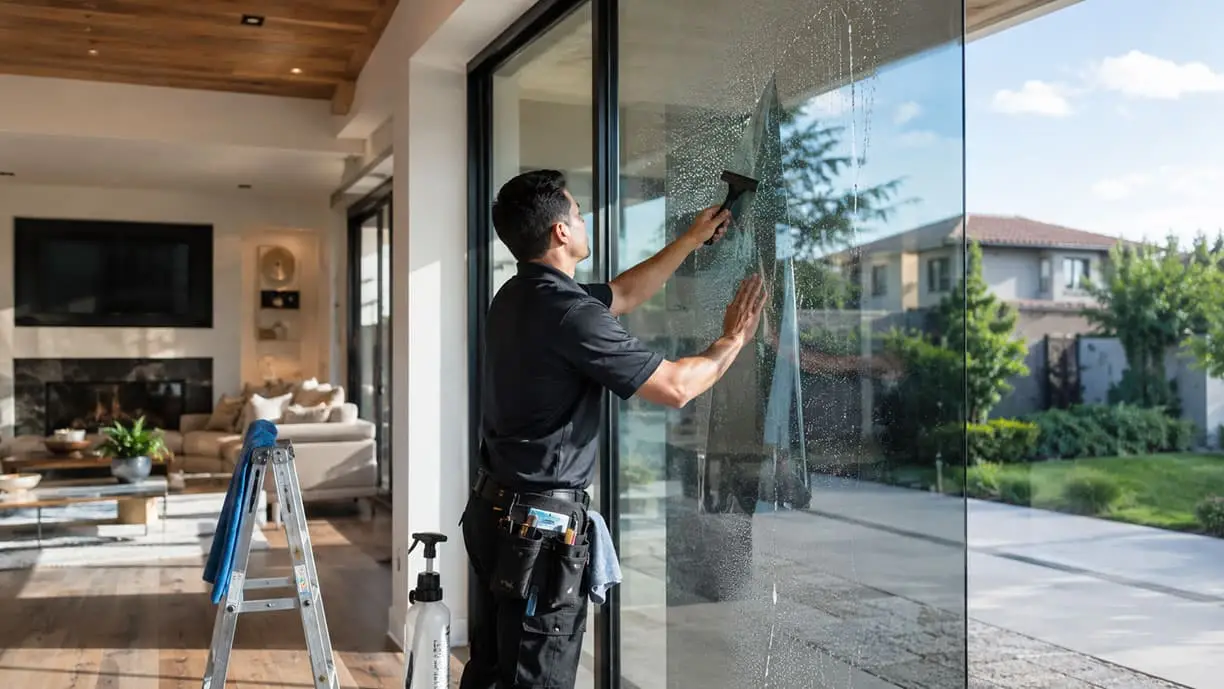
Ceramic window tint and regular window tint both cool a home, but they block heat with different materials and sit at different price points. Ceramic rejects the most heat and stays the clearest, while regular dyed or carbon film costs less and can fade sooner.
Greenhouse Solar Control installs both types of residential window tinting across Houston, TX and Katy, TX, and this page compares them on heat, clarity, color, signal, and cost so you can pick the right film for each room.
A free on-site estimate is the fastest way to compare these films on your own glass. Call (281) 961-3058 for a free estimate.
Heat and UV Rejection Compared
Ceramic rejects more solar heat than regular dyed or carbon film. The reason is the material: ceramic uses nonconductive ceramic particles that absorb and reflect infrared energy, the part of sunlight you feel as heat, without darkening the glass.
Regular dyed film mostly absorbs heat with pigment, and carbon improves on plain dye but still trails ceramic. On a west-facing Houston window that bakes all afternoon, ceramic does the most for heat reduction and comfort.
UV protection on both films
Both films protect against ultraviolet light. Quality window film, ceramic and regular alike, filters most of the UV rays that fade floors, furniture, and artwork, so UV protection is strong either way.
The real dividing line between the two is infrared heat, not UV. That heat gap drives most of the decision in a hot climate, which leads to the next difference: how each film looks and behaves on the glass.
Clarity, Color Stability, and Signal
Ceramic stays the clearest of these films because it does not rely on heavy dye or metal to block heat. Regular dyed film has a flatter, darker look, and carbon has a matte finish, so both change the view more than ceramic does.
Ceramic can also deliver strong heat rejection at a lighter shade, which keeps a natural view into and out of the room. For a fuller breakdown of every option, see our guide to window film types.
Color stability is how well a film holds its original tone over years of sun. Ceramic and carbon hold their color, while dyed film can fade or turn purple because sunlight slowly breaks down its pigment. In the Houston sun, that difference shows up sooner on dyed film than on ceramic.
Signal is a fair question for any modern home. Ceramic and today's dyed and carbon films are non-metal, so they do not interfere with cell phone, wifi, or GPS signal inside the house. Older metalized films could weaken reception, but the films in this comparison do not. Clarity, color, and signal shape how the film lives with you day to day, and the other half of the decision is cost.
Cost Difference and When Ceramic Is Worth It
Ceramic sits at the premium end of the price range, regular dyed film is the most affordable, and carbon lands in between. Ceramic costs more because the ceramic particles are more expensive to manufacture than dye or carbon. The comparison here stays qualitative, since the real number depends on your film choice, glass size, and how many windows you cover.
Ceramic earns its premium in specific rooms:
- Sun-facing rooms, especially west and south exposures, that get hot in the afternoon.
- Large windows and glass walls, where heat and glare add up fast.
- Rooms where you want a clear, natural view and a light shade.
- Any space where you want the film to resist fading and hold up for the long term.
When regular film is enough
Ceramic is not always necessary. Regular carbon or dyed film is often enough for a shaded or north-facing room, a tight budget, or a short-term space such as a rental. A room that never takes direct sun gains less from the extra heat rejection, so the lower-cost film can be the smarter buy there.
Our Recommendation for Houston Homes
For most Houston homes, ceramic is the stronger long-term choice because the local climate is heat-driven. Long, hot summers push air conditioning hard, and ceramic rejects the most heat while keeping the clearest view. That combination does the most to keep rooms comfortable and ease the cooling load.
Mixing ceramic and regular film by room
You do not have to tint every window with ceramic. A practical plan is to put ceramic on the sun-facing rooms that get hot, then use regular carbon or dyed film on shaded rooms where budget matters more. This puts strong heat control where you need it and lower cost where you do not.
Films that pair with either tint
Two related options can pair with either tint. A reflective privacy window film adds daytime privacy for a street-facing room, and security window film helps hold shattered glass together for added protection. Greenhouse Solar Control handles the professional installation of residential window tinting either way, so each room gets the film that fits it.
Ceramic vs Regular Window Tint: Frequently Asked Questions
Get a Free Estimate on Ceramic Window Tint in Houston and Katy
Greenhouse Solar Control installs both ceramic and regular window tint for homes across Houston, TX and Katy, TX, and also handles commercial window tinting for local businesses. To weigh the strongest heat rejection and clearest view, read more about ceramic window tint for homes.
For help matching each room to the right film, call (281) 961-3058 for a free estimate, and our team will take care of the professional installation.